

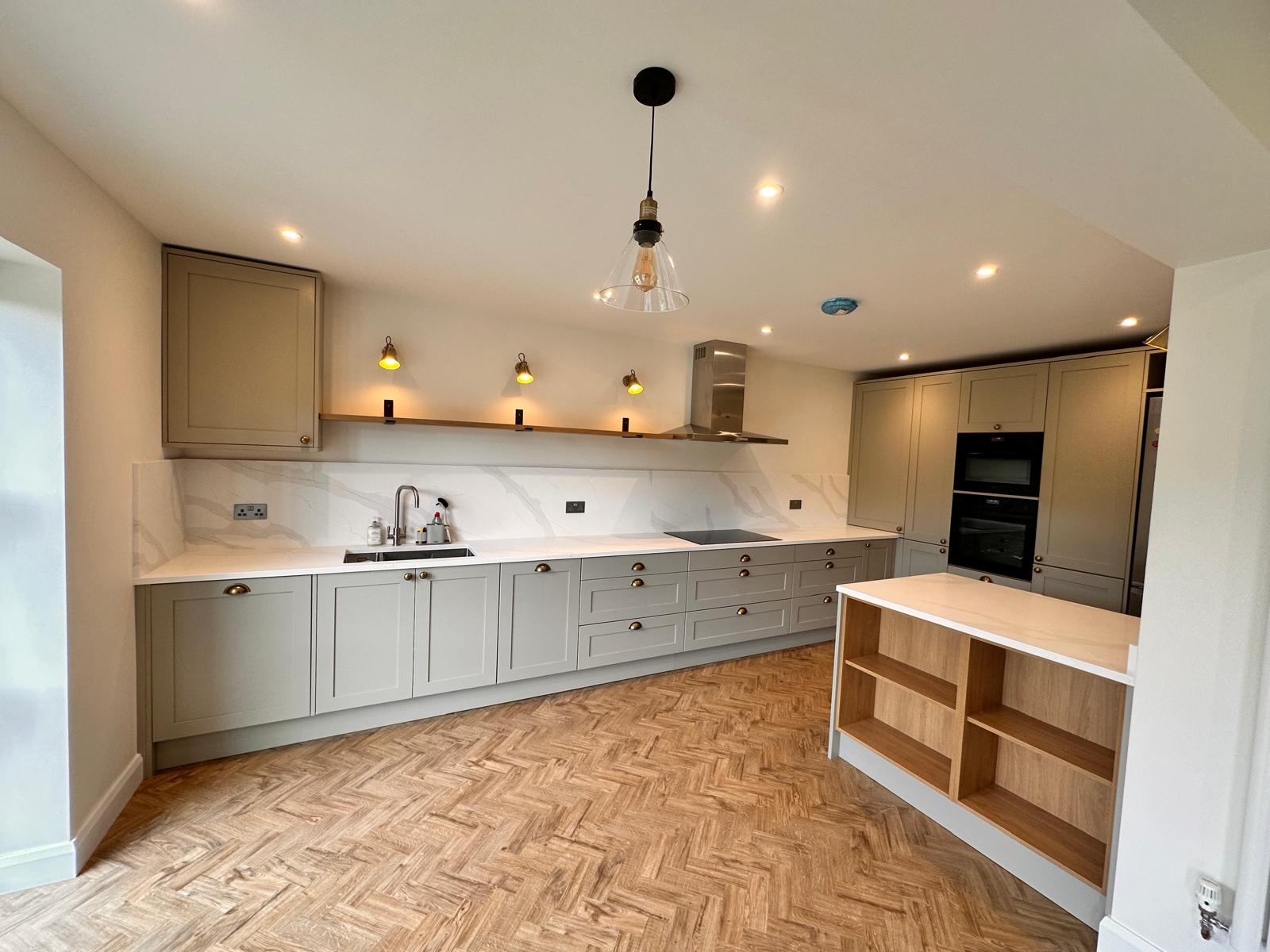
Planning house extensions involves seven major stages of setting goals, budgeting, obtaining planning permission, selecting a design, selecting the right team, preparing your property, and avoiding common mistakes. Skipping any of these steps will cause delays, over-budget projects, or compliance issues during construction. This guide covers planning a house extension in a clear, practical order, whether you are looking for a single-storey or double-storey extension, or you are planning the process in an easy, simple way.
Identify Your Goals for the Extension
Decide the purpose of the space before you contact anyone about a home extension project. A growing family may need an extra bedroom, while a home worker might want a quiet office.
- A larger kitchen for both cooking and entertaining
- An enclosed area for elderly relatives or older children
- Expanded bedrooms for an expanding family
- Higher property rents or sales prices for landowners and property investors
If you need extra bedrooms without building outward, you can also consider loft conversions. Write your goals down, and the architect will guide the extension type and design based on those goals.
Set a Realistic House Extension Budget
Your house extension budget needs to cover bricks, labour, and several other costs. Factor in:
- Architectural drawings and structural engineering
- Fees for planning applications and building control
- Installation of site drains and foundations for extensions
- A contingency fund of at least 10 to 15 percent for unexpected issues
Home extension costs in the UK will differ from one region to another, as well as from one specification to another, so get quotes from multiple extension contractors in your area.
Understand Planning Permission and Building Regulations
Single-storey house extensions fall under Permitted Development rights, so you might not require planning permission. Any larger project, such as the double-storey extension or side extensions close to a boundary, usually requires planning permission for extensions from your local council.
Building regulations apply regardless and cover structural safety, insulation, fire safety, and drainage. An engineer must approve any structural works your extension requires, and the building control team must sign off on them before work starts. A trustworthy extension contractor checks all of these requirements before finalising your plans.
Choose the Right Extension Type and Design
The design of the house extension depends on your property and goals.
- Rear house extension: Adds space to the back, typically used to create an open-plan kitchen and living space.
- Side extension: Fills an unused side space, perfect for semi-detached and detached properties.
- Single-storey house extension: An economical solution to expand a house without much alteration to the main structure.
- Double-storey extension: Provides two floors of extension, often less expensive per square metre than a single-storey extension.
A good extension design-and-build team brings lightness and good layout together, so the extension fits with the rest of your home.
Hire Experienced Extension Professionals
The success of any house extension project depends on the team behind it. Before you hire anyone:
- Request for a sample of completed structural works for extensions similar to yours
- Read reviews of past clients
- Ensure they handle both design and structural calculations
- Request a written timeframe for the extension construction process
A contractor who manages the entire construction process from groundworks to final finishes simplifies the process and minimises the risk of any issues arising.
Prepare your property for construction
After you have selected your contractor and design, get your home and garden ready for construction. This includes:
- Clearing access for material and machinery
- Agreeing on working hours with neighbours
- Arranging temporary storage of furniture, if necessary
- If your extension is adjacent to a neighbouring property, check the Party Wall Agreement
Common mistakes to avoid in planning a house extension
Avoid the following common mistakes during planning a house extension:
- Not budgeting appropriately and skipping a contingency fund
- Rushing for construction before receiving the planning permission and building regulations approval
- Choosing the contractor based solely on the cost
- Failing to consider the impact of the extension on the natural light or movement between rooms
- Not planning for a place to stay during construction if the work is lengthy
Conclusion
Planning a house extension goes smoothly when you follow a clear process. It involves setting your goals, verifying a realistic budget, understanding planning permission and building regulations, choosing the right design, and hiring experienced professionals. Preparing your property and avoiding common mistakes keeps your home extension project on track and within budget.
A trusted company, Banstead Construction has 25+ years of experience designing and constructing house extensions in London and Surrey. Contact us today for a free, no-obligation quote on your project.


